Almond Cookies: A Playful Font for Creative Projects
More Than Just a Name: The Visual Character of Almond Cookies
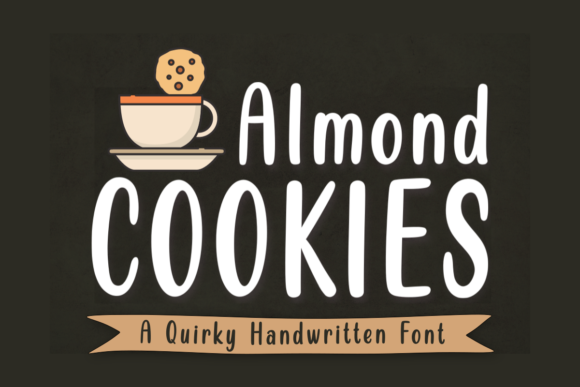
Finding a typeface that feels genuinely friendly can be a challenge. Many display fonts lean into extreme quirkiness or feel overly childish, limiting their use. Almond Cookies strikes a different balance. It’s a cute and colorful display font that manages to be both playful and authentic. Its letterforms are rounded and soft, with a handcrafted quality that avoids looking like a generic script font or a standard sans serif font. The personality here is approachable, cheerful, and trustworthy—qualities that are invaluable in design.
Visually, Almond Cookies feels like a premium font crafted for warmth. The characters have a consistent, gentle weight that ensures readability at larger sizes, which is crucial for any display font. There’s a subtle irregularity in the strokes that gives it life, mimicking the imperfections of hand-lettering without sacrificing clarity. This isn’t a font trying to be edgy or minimalist; it’s designed to evoke a specific, positive emotion. It embodies the kind of authenticity that connects with people on a human level, making it a powerful tool in your design assets.
Where This Typeface Truly Shines: Practical Applications
The real test of any creative font is its application. Where does Almond Cookies work best? Its strength lies in projects where warmth, engagement, and a touch of whimsy are desired. Think beyond the obvious. Yes, it’s perfect for children's activity books, school projects, and educational materials. But its appeal extends far into the professional and commercial realms.
For brand identity, consider a bakery, a family-oriented café, a children’s boutique, or a craft studio. Using Almond Cookies in your logo design immediately communicates a welcoming and friendly brand perception. It sets a tone before a customer even reads a word. In packaging design, it can make a product feel homemade, caring, and delightful—ideal for artisanal goods, snacks, or personal care products aimed at a family audience.
In the digital space, this font excels in web design for headers, banners, and call-to-action buttons where you want to draw the eye and create a positive first impression. It’s equally effective in social media graphics. A post announcing a sale, a new blog post, or a community event using Almond Cookies will stand out in a feed with its friendly, approachable vibe. For editorial design, it can be used for pull quotes, chapter headings in a lifestyle magazine, or title treatments for blog posts about parenting, DIY, or food.
- Branding & Marketing: Logos, business cards, flyers, and email headers for family-friendly services.
- Publishing & Editorial: Children’s book titles, cookbook chapter headings, and magazine features.
- Digital & Web: Website hero text, YouTube thumbnails, and podcast cover art.
- Personal & Commercial: Wedding invitations, party supplies, stickers, and custom merchandise.
Integrating Almond Cookies Into Your Design Workflow
Choosing a font like Almond Cookies is just the first step. Integrating it effectively requires a thoughtful approach. Start by evaluating the fit for your specific project. Does its playful personality align with your message and audience? A serious financial report would be a poor match, but a fundraiser for a local school would be perfect.
Next, consider font pairing. A strong display font needs a reliable companion for body text. Because Almond Cookies has so much character, pair it with a clean, neutral sans serif font or a classic serif font. A combination like Almond Cookies for headlines with a font like Open Sans or Lora for paragraphs creates excellent visual hierarchy and ensures readability. The contrast allows the display font to capture attention without overwhelming the reader.
Always test the font in context. Mock up your design before finalizing. Check its legibility at the sizes you’ll use. Does it maintain its charm when scaled down for a website button? Does it hold its presence in a large poster? Review the included styles and character set. Does it offer the punctuation and language support you need? Understanding these details is part of working with a professional typeface.
Finally, be mindful of licensing. If your project is commercial—selling products, client work, or monetized content—ensure you have the appropriate commercial font license. This protects you legally and supports the creators who develop these valuable design assets. Using a font like Almond Cookies correctly can elevate your project, foster better audience engagement, and build consistent brand recognition. It’s not just about making something look pretty; it’s about strategic communication through thoughtful modern typography.